
Losing someone we care about can be really tough. It can make us feel confused and sad about life. It’s one of the hardest things to deal with because it affects us in our minds, hearts, and even our spirits.
You can’t think that you’ll feel better in just one day. Healing from the pain of losing someone you love takes a lot of time. Sometimes, it can even take years to really get over the mental struggles you went through during that tough period.
However, some may argue it is a coincidence, while others are confident – people know when death is near.
It’s normal to want to make sense of the death of someone we care about or to think about what might happen in their last moments. Scientists have found that when a person dies, their body starts to break down right away.




Putrescine is a really nasty and poisonous smell that comes from things rotting. Scientists have found out that people can actually sense this awful smell without even thinking about it. Plus, when this smell is in the air, it makes us react right away.
Animals have the ability to smell the odour of others, causing them to react accordingly.
This is just like feeling threatened, whether it’s from a predator or a larger and more powerful animal in their group.

Researchers Arnaud Wisman from the University of Kent in Canterbury, UK, and Ilan Shira from Arkansas Tech University in Russellville, AK, found out that animals and humans could actually be more alike than we think.
The ability to detect chemical scents is part of survival across the species. The warning of death is revealed through smell to humans.
Putrescine is a stinky organic chemical that is similar to cadaverine. Both of these compounds are made when amino acids break down in living or dead organisms, which means they are released when a body starts to rot.
It also serves as a warning signal. When people smell this odor, they react both on purpose and without even thinking about it.

Four separate experiments were carried out with putrescine, ammonia, and water to observe how people reacted.
In one of the experiments, when putrescine was placed in a certain spot, people quickly reacted by stepping back from the area.

This is the same response around fight-or-flight reaction.
When animals feel they are in serious danger, they usually have two choices: either confront the danger or escape from it. The research showed that humans respond in a similar way.

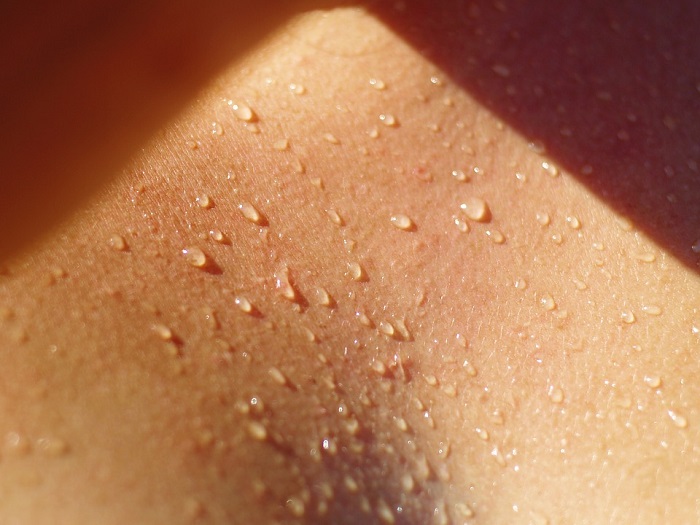
There are other odours humans respond to as well like sweat.
Different research has found that when sweat from people who are scared is collected and then smelled by others, it can cause an instant and surprised reaction.
Wisman and Shira explain that we aren’t really sure why we feel attracted to or turned off by someone’s smell. Most of the time, we don’t even realize how much a scent can affect our feelings, likes, and opinions.
“It is hard to think of a scent as frightening,” say other two leading researchers. These scents make people more aware and vigilant of their surroundings.

Humans’ natural reaction to danger is not to face it and fight.
Most people really don’t like to get into arguments or fights, whether they are with words or fists. Usually, they prefer to stay away from the situation until they feel like fighting is the only choice left.
The responses may be different from each other but putrescine and sex pheromone are based on scent.
Sex pheromones are special chemicals that our bodies let out to draw in a partner, while putrescine acts like a warning sign.
Researchers explain that putrescine sends a different kind of message compared to pheromones. However, people’s reactions to putrescine, like avoiding it and feeling hostile, are actually the opposite of how they usually react to many sexual pheromones.

In the study, participants didn’t realize they were having a bad reaction to the smell.
“People are not familiar with putrsescine and do not consciously associate it with death or fear,” admits Wisman and Shira.